Nepal sits at one of the great crossroads of the ancient world. Wedged between the Indian subcontinent to the south and the Tibetan plateau to the north, it has for millennia been a transit point for traders, pilgrims and armies moving between two of the world's great civilisations. This geography — more than any other single factor — has shaped what Nepali food is today.
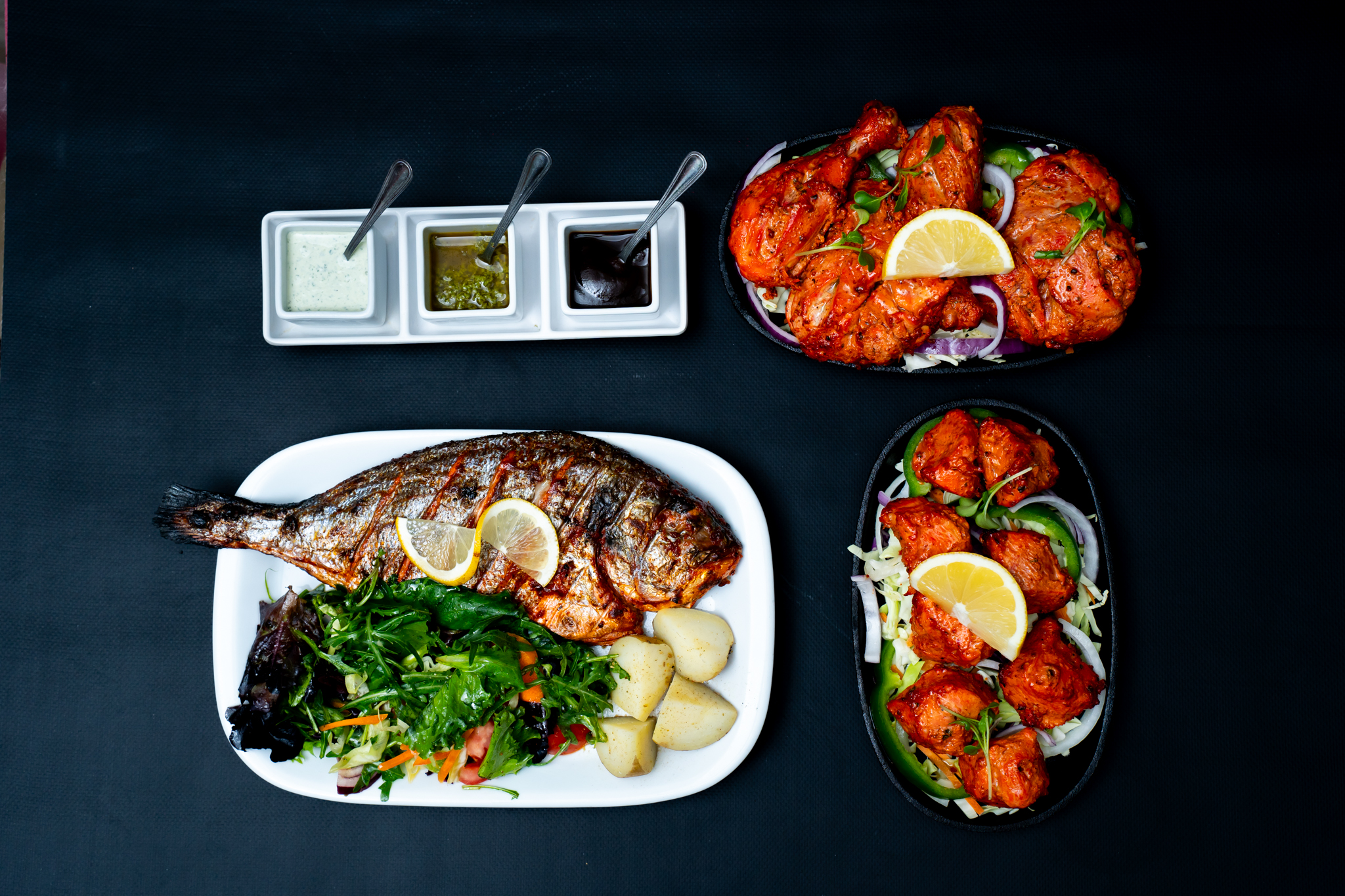
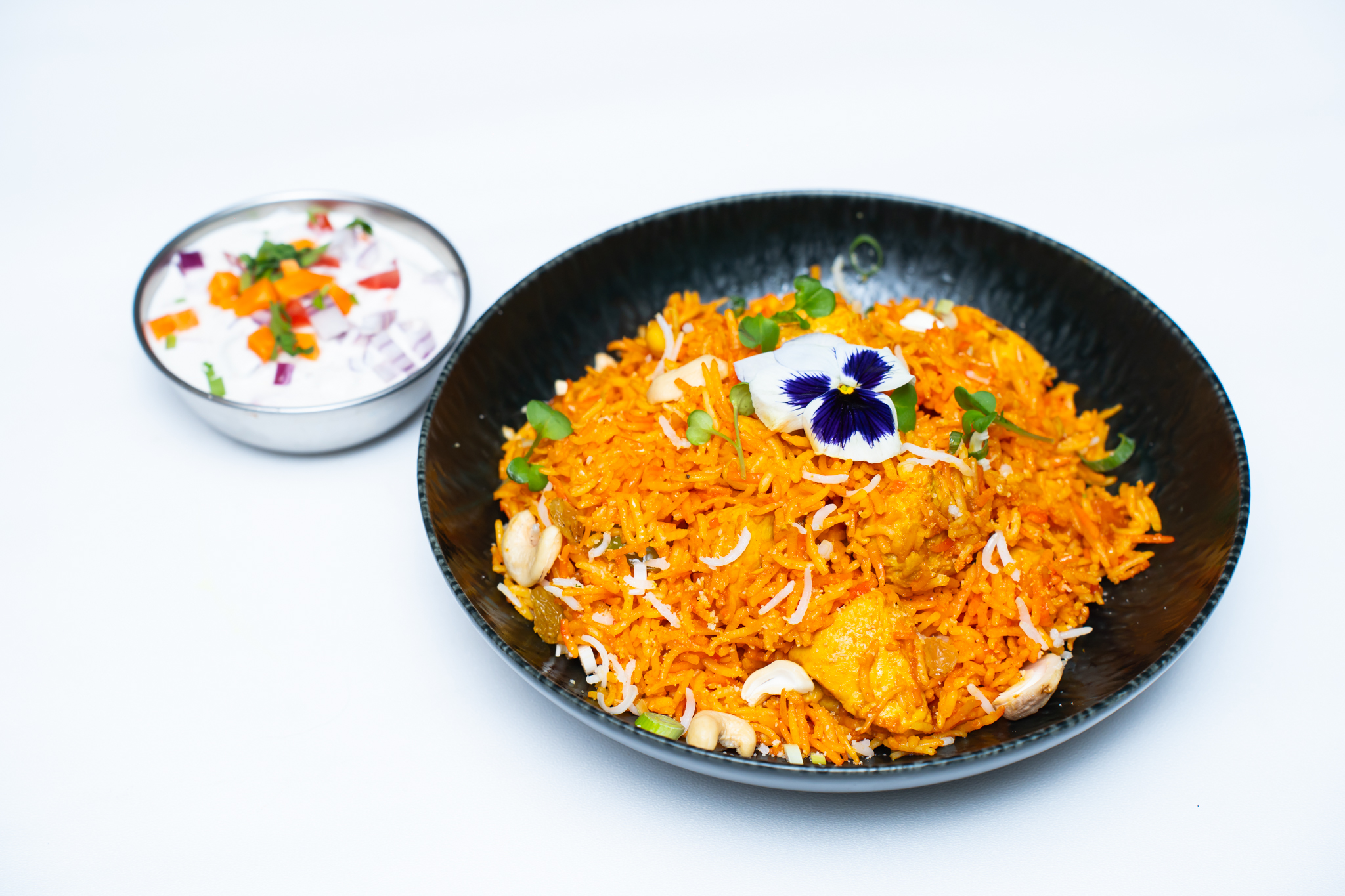
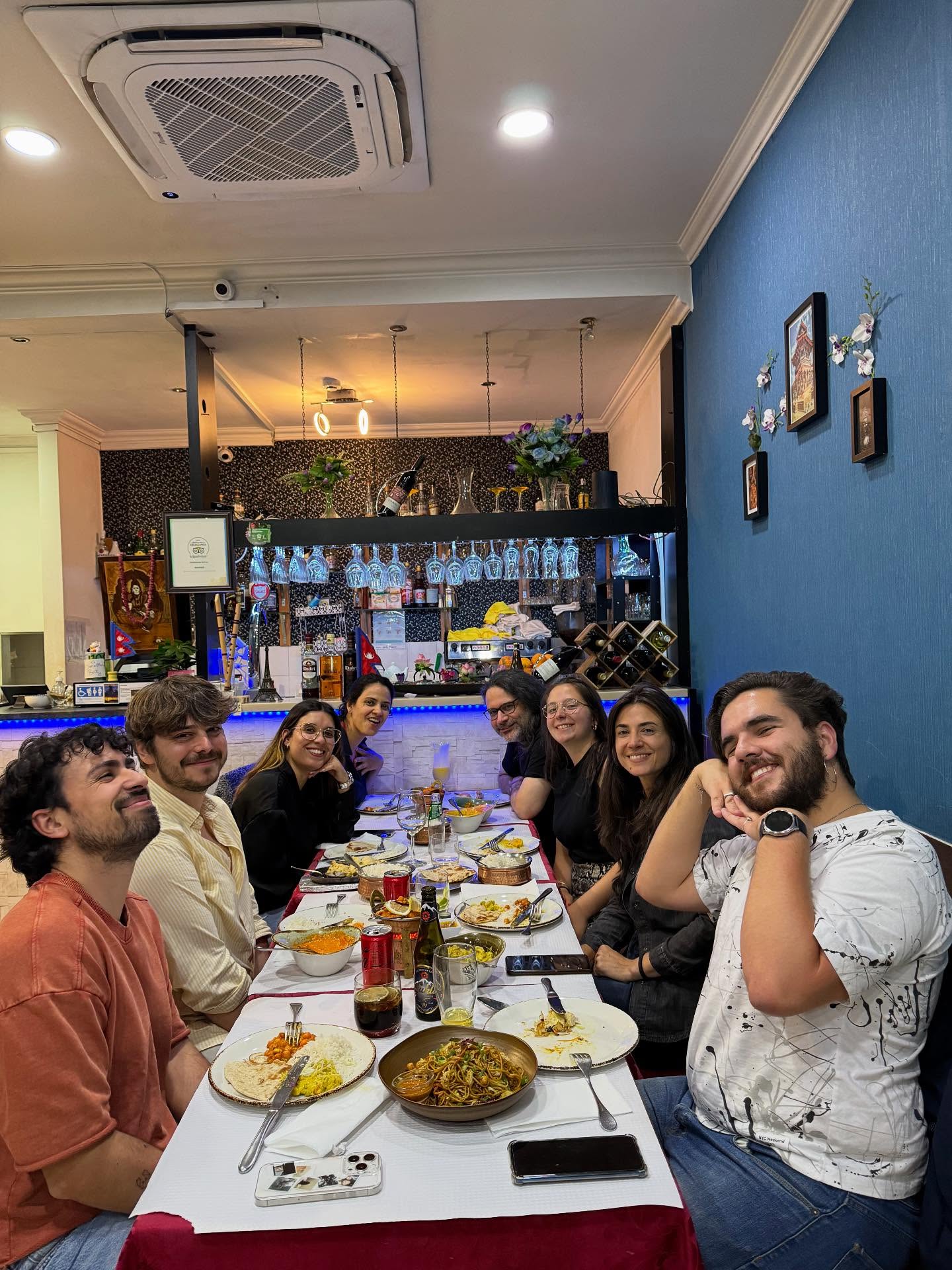
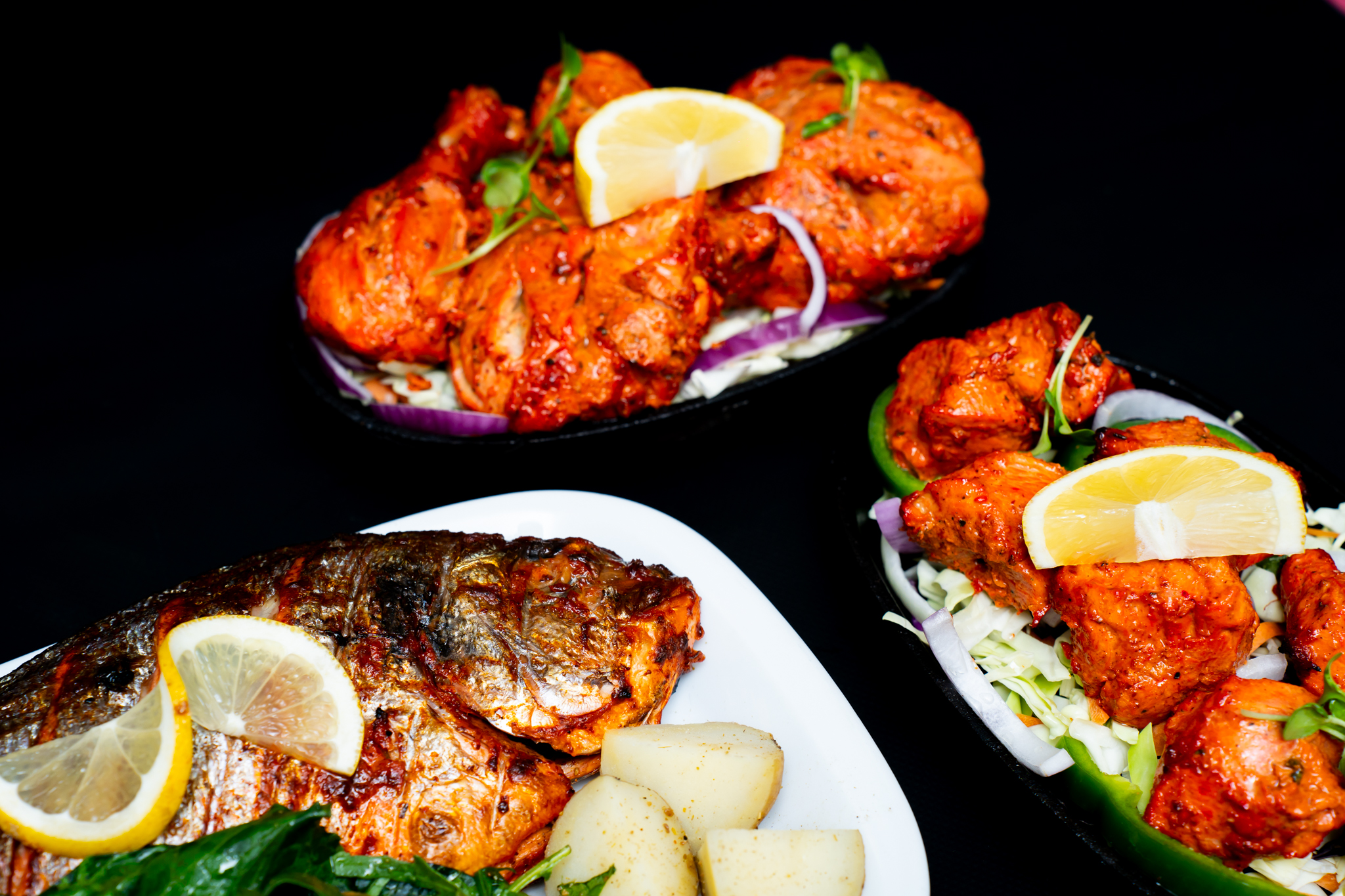
At Darshan Nepal Restaurant in Lisbon, every dish on the menu carries the imprint of this history. Understanding where Nepali cuisine comes from deepens the pleasure of every bite.
The Ancient Foundations: Agriculture in the Himalayas
The earliest Nepali food traditions stretch back to the Neolithic period, when the fertile valleys of the Kathmandu Valley and the Terai plains were first cultivated. Rice, lentils and wheat — the three pillars of Nepali cooking — were already being grown in the region more than 3,000 years ago. The Terai, a narrow belt of subtropical lowland that borders India, became one of South Asia's most productive agricultural zones, producing rice of exceptional quality.
The Newars, the indigenous inhabitants of the Kathmandu Valley, developed one of Nepal's most sophisticated early food cultures. Their cuisine — rich with dried meats, fermented vegetables, beaten rice (chiura), and buffalo preparations — remains distinct to this day and forms one of the great pillars of Nepali culinary heritage.
The Silk Road and the Spice Routes
Nepal's position on ancient trade routes between India and Tibet meant that spices, cooking techniques and food philosophies flowed in from both directions. From the south came the rich spice traditions of the Indian subcontinent — cumin, coriander, turmeric, fenugreek, cardamom and chilli (the last arriving from the Americas via Portuguese traders in the 16th century, transforming South Asian cooking forever).
From Tibet and China to the north came techniques for preserving food in cold altitudes — fermentation, drying and smoking — along with ingredients like buckwheat, millet and the fermented grain drink tongba. The momo, Nepal's beloved dumpling, is believed to have arrived via this northern corridor, an adaptation of Tibetan dumplings that Nepali cooks made entirely their own.
The Shah Dynasty and Royal Kitchen Traditions
When Prithvi Narayan Shah unified Nepal in 1768, founding the Shah dynasty and establishing Kathmandu as the capital of a single kingdom, he also consolidated a royal court culture that had a profound influence on Nepali cuisine. The royal kitchens of the Kathmandu palaces became centres of culinary refinement, where Brahmin and Newar cooks developed elaborate multi-course meal traditions, ceremonial foods and the complex spice blends that would eventually filter down into everyday cooking.
The Hindu caste system, deeply embedded in Nepali society during this period, had a significant influence on food culture. Dietary restrictions, rules about food preparation and the ritual significance of certain ingredients shaped what people ate and how they cooked. Many of the distinctly Nepali flavour principles — the emphasis on freshly tempered spices, the importance of ghee, the use of specific ingredients in religious offerings — trace their origin to this period.
Regional Diversity: A Nation in Layers
One of the most remarkable things about Nepali cuisine is how dramatically it varies from region to region within a relatively small country. Nepal spans three distinct ecological zones — the tropical Terai lowlands, the temperate hilly midlands, and the cold Himalayan highlands — each with its own agricultural products, cooking traditions and distinctive dishes.
In the Terai, the cuisine resembles northern Indian cooking closely, with rich curries, flatbreads and rice dishes. In the hills, dal bhat (lentils and rice) reigns supreme, accompanied by seasonal vegetables and pickles. In the high Himalayan regions, the cooking becomes simpler and more warming — thick soups, roasted grains, butter tea (a Tibetan influence) and fermented preparations that help preserve food through long winters at altitude.
The 20th Century: Nepali Food Goes Global
The mid-20th century brought dramatic changes to Nepal. The opening of the country to foreign visitors in the 1950s, combined with the global diaspora of Nepali workers and the fame of the Gurkha regiments in the British and Indian armies, began to spread Nepali food culture internationally. Nepali restaurants appeared in London, Hong Kong, Tokyo and eventually across Europe — including, today, in Lisbon.
What has made Nepali cuisine so enduring and adaptable is precisely what defines it historically: its position at the meeting point of great culinary traditions, combined with an indigenous spice heritage and agricultural richness that is entirely its own. It is neither fully Indian nor Tibetan — it is something richer, more layered, and more complex than either.
Taste History at Darshan Nepal
When Chef Yekindra Hamal prepares a dish at Darshan Nepal, he is drawing on this entire history — the ancient farming traditions of the Terai, the spice routes of the Silk Road, the royal kitchen refinements of the Shah court, and the mountain-dwelling resilience of highland cooking. Every plate is, in a very real sense, a history lesson.
Experience the full depth of Nepali culinary history at Darshan Nepal Restaurant, Lisbon.
Reserve a TableAv. Alm. Reis 48A, 1150-019 Lisboa · Open every day 12:00–23:30 · 920 461 051