Lisbon has always been a city that understands flavour. A maritime capital whose merchants once controlled the spice trade between Asia and Europe, it is a city whose culinary DNA was literally built on the same spices — black pepper, cinnamon, cardamom, ginger — that define the cooking of South Asia. Perhaps it is no coincidence, then, that Lisbon has become one of Western Europe's most receptive cities for authentic Nepali and Indian cuisine.
At Darshan Nepal Restaurant on Avenida Almirante Reis, we experience this love affair every day — in the faces of Portuguese families discovering momo for the first time, in the delighted recognition of international tourists who didn't expect to find this quality of South Asian cooking in Portugal's capital.
Lisbon's Food Scene: A City Coming Into Its Own
Over the past decade, Lisbon has transformed from a quietly excellent food city into one of Europe's most exciting culinary destinations. The combination of outstanding local ingredients (Atlantic seafood, Alentejo olive oil, exceptional wines), a long tradition of hospitality rooted in the concept of saudade, and an increasingly international population has created a restaurant scene of remarkable diversity and quality.
The city's population has grown substantially with immigrants from Brazil, Angola, Cape Verde, India, Nepal and dozens of other countries, each bringing their own food cultures and creating demand for authentic representations of them. Lisbon's neighbourhoods — from the historic Mouraria and Martim Moniz, long home to South Asian communities, to the rapidly developing Anjos and Intendente areas — have become some of the most culinarily diverse places in southern Europe.
The Portuguese Palate and the South Asian Spice Connection
There is a deeper cultural reason why Portuguese food lovers take so naturally to Nepali and Indian cuisine: the shared history of spice. Portugal's 15th and 16th century maritime expansion was, above all else, a quest for spices. Vasco da Gama's arrival in Calicut (Kozhikode) in 1498 opened a direct sea route between Europe and the Malabar Coast, and within decades Portugal controlled much of the Indian Ocean spice trade.
This history left a permanent mark on Portuguese cooking. Dishes like carne de porco à alentejana, bacalhau com broa and the ubiquitous use of cumin, coriander and turmeric in Portuguese stews and rice dishes all reflect the enduring influence of those spice routes. Portuguese piri-piri — arguably the country's most famous condiment — arrived via the same routes that brought chilli peppers from the New World to South Asia and then back to Portugal.
When a Portuguese diner sits down to a dish of slow-cooked lamb curry fragrant with cardamom and coriander, or a bowl of turmeric-golden dal, something in their culinary memory recognises it. The spices are not foreign — they are, in a historical sense, deeply Portuguese too.
Tourism and the Search for Authenticity
Lisbon receives millions of tourists each year, and the city's status as one of Europe's most visited capitals means that its restaurants are judged by international standards. Travellers from the UK, Germany, Scandinavia, the United States and beyond — many with sophisticated experience of South Asian food from their home cities — arrive in Lisbon with expectations.
The search for authentic Nepali and Indian food in Lisbon has become one of the city's notable food tourism trends. Visitors who have eaten in London's Brick Lane, in Birmingham's Balti Triangle, or at acclaimed restaurants in New York or Amsterdam are looking for the real thing — not a diluted, Europeanised approximation, but genuine cooking rooted in actual tradition.
This is precisely what distinguishes Darshan Nepal from many alternatives. Chef Yekindra Hamal cooks with the recipes, techniques and spice sensibility of someone who grew up making this food — not as an interpretation or adaptation, but as authentic expression.
The Nepali Community in Lisbon
Lisbon has a growing Nepali community, many of whom have settled in the city over the past two decades, drawn by Portugal's relatively accessible immigration policies, warm climate and quality of life. This community has created a foundation of demand for authentic Nepali food — people who know exactly what real momo, genuine dal bhat and properly made achaar should taste like, and who will not accept less.
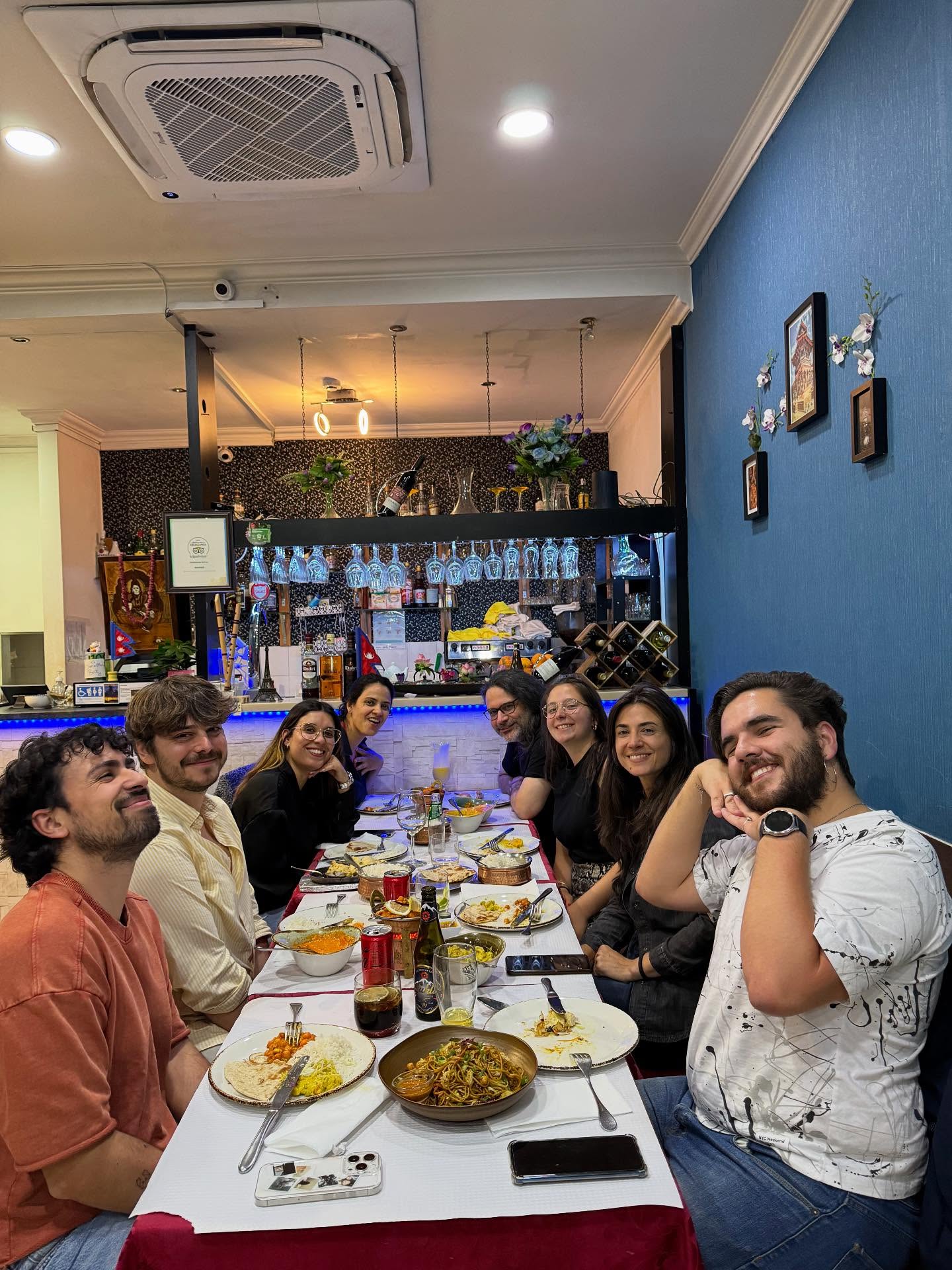
Darshan Nepal has become a gathering point for this community — a place where the familiar flavours of home are reliably present, and where the warmth of Nepali hospitality is extended to every guest, regardless of background.
Where to Find the Best Nepali & Indian Food in Lisbon
If you are visiting Lisbon and want to experience authentic Nepali and Indian cuisine, Darshan Nepal Restaurant on Avenida Almirante Reis is the address to know. Located in the Intendente neighbourhood — one of Lisbon's most culturally vibrant and gastronomically interesting areas — the restaurant is easily accessible from the city centre and well worth the short journey from any of Lisbon's main tourist areas.
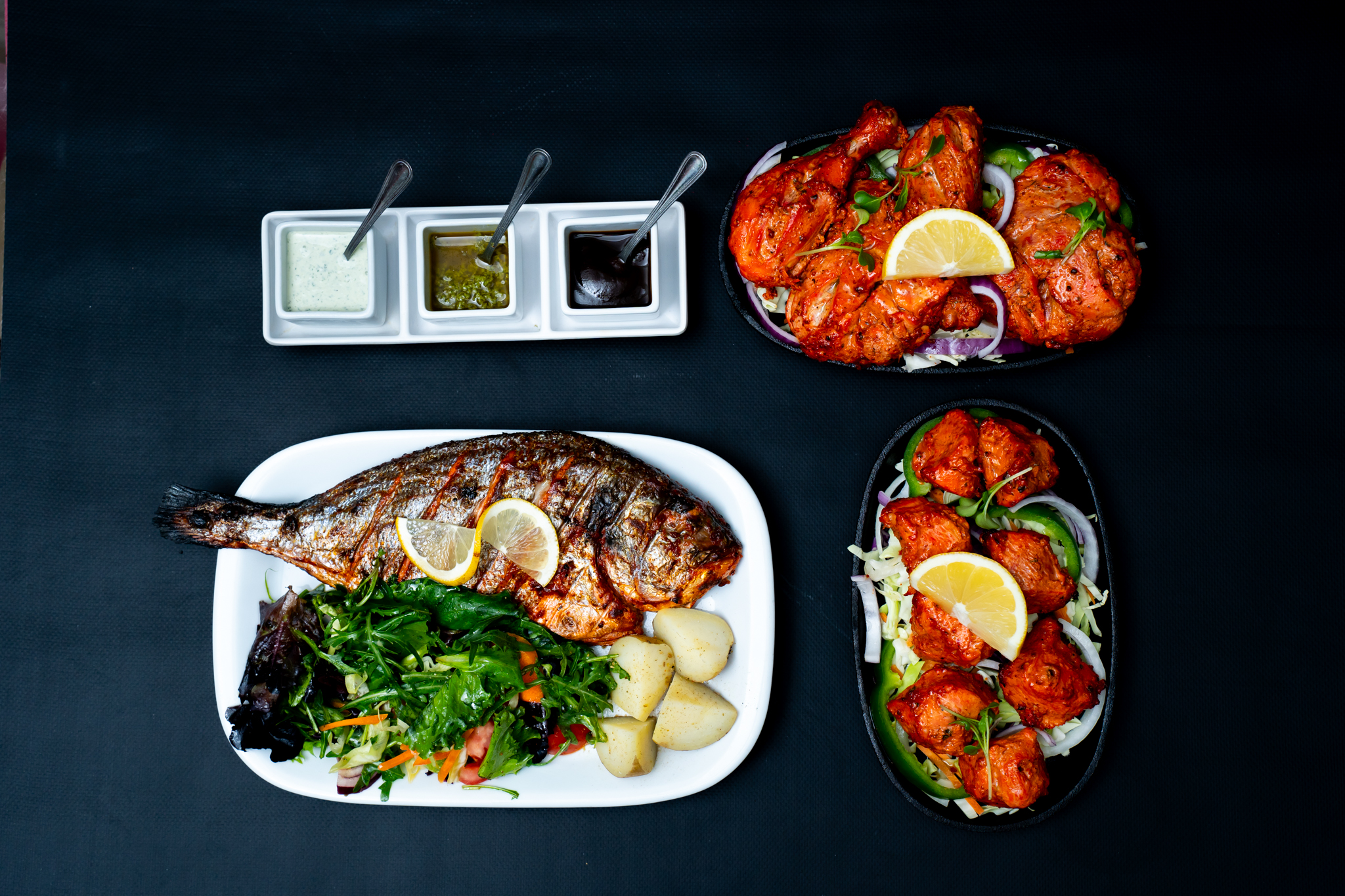
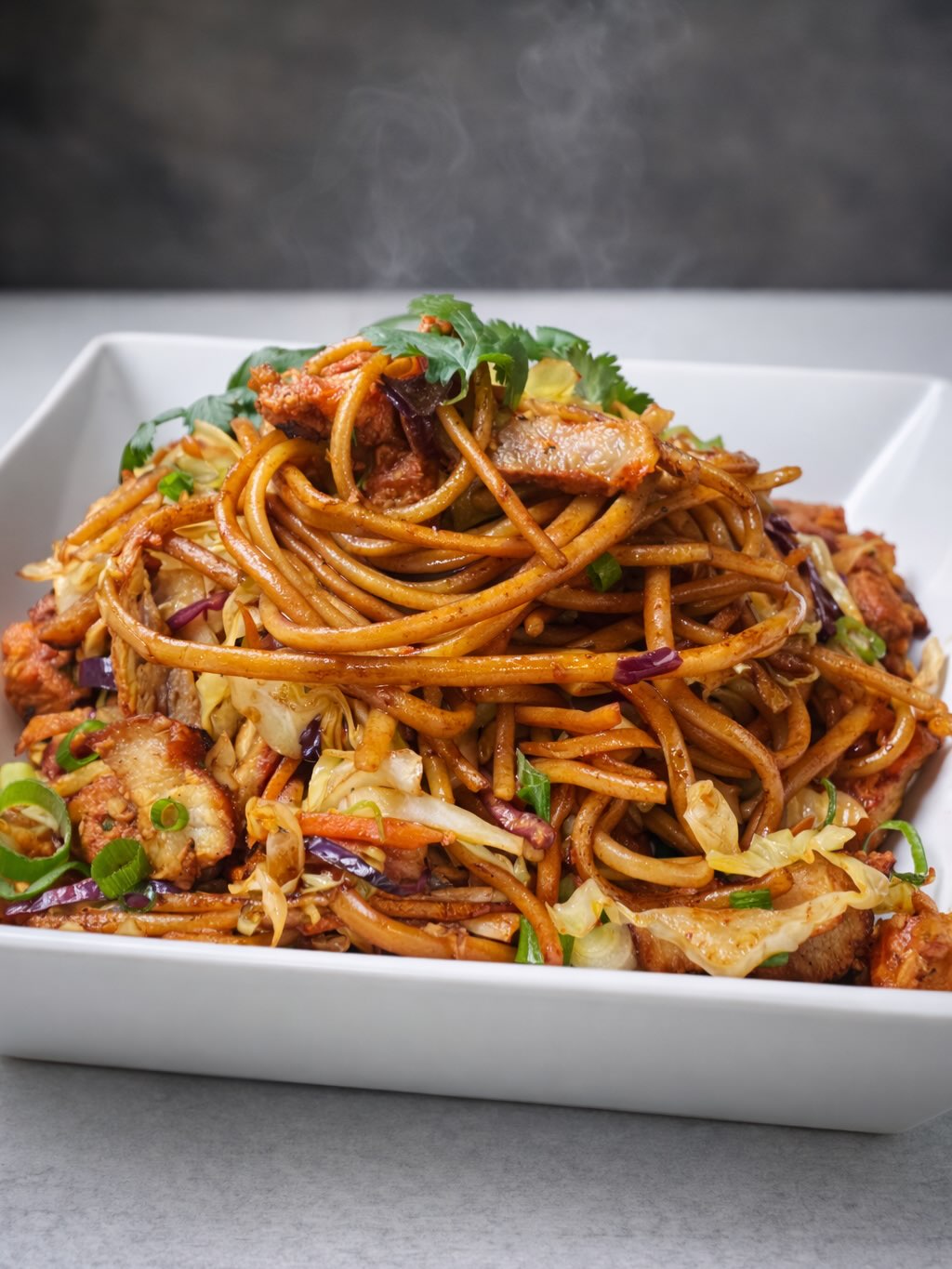
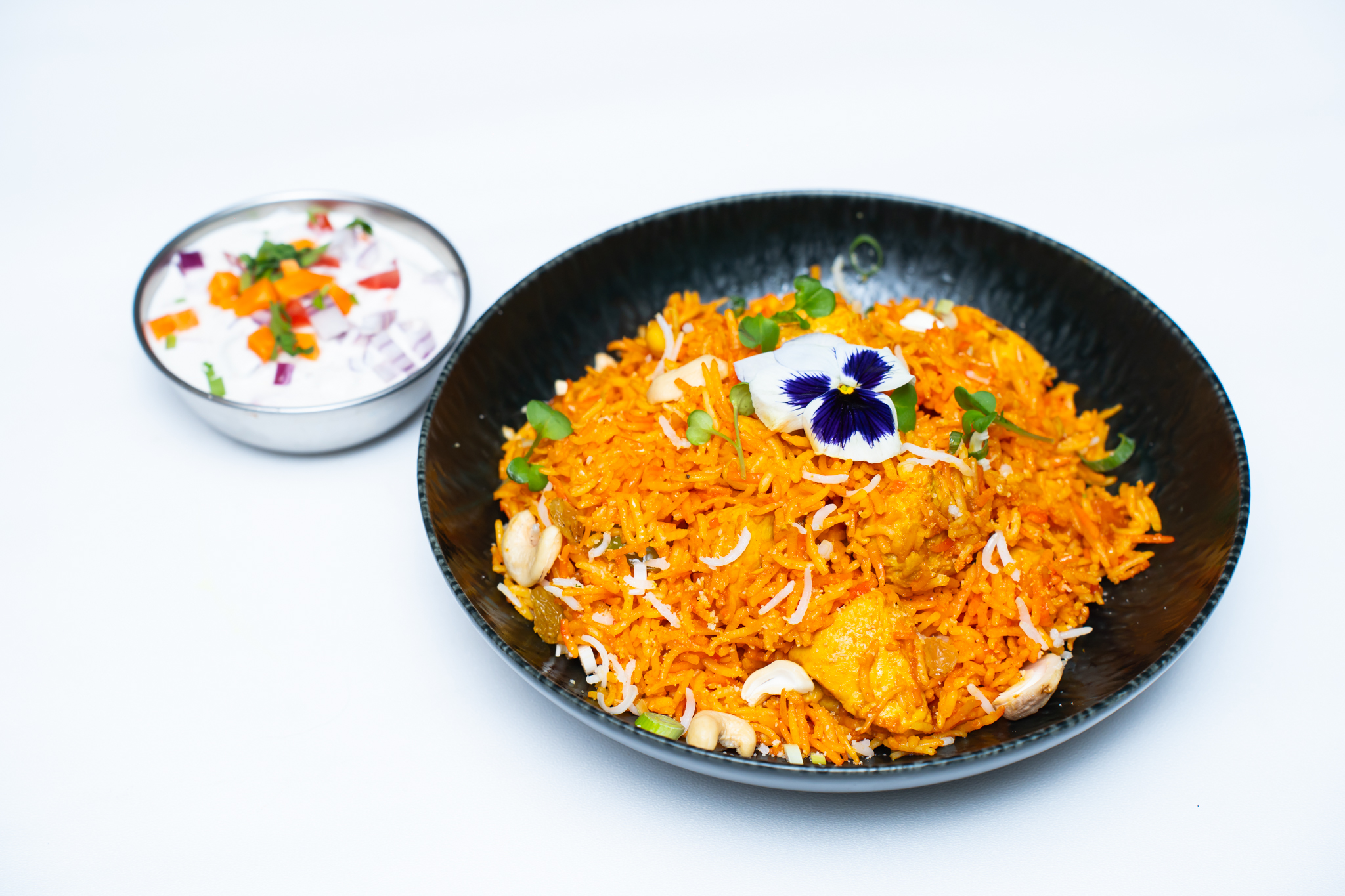
The menu spans the full range of Nepali and Indian cooking traditions: from the street-food energy of momo and chicken tikka to the contemplative depth of dal bhat tarkari and the rich satisfaction of slow-cooked biryani. Every dish is prepared with ingredients selected for quality and cooked with techniques that have been refined over generations.
For tourists seeking an experience that is both genuinely exotic and deeply satisfying, for Lisbon residents curious to explore flavours beyond the familiar, and for members of the South Asian community looking for a reliable taste of home — Darshan Nepal offers all of this, every day, from noon until late.
The best Nepali & Indian restaurant in Lisbon is waiting for you — open every day, 12:00 to 23:30.
Reserve a TableDarshan Nepal Restaurant · Av. Alm. Reis 48A, 1150-019 Lisboa · 920 461 051 · Open every day 12:00–23:30
Also available on Uber Eats and Bolt Food for delivery across Lisbon.