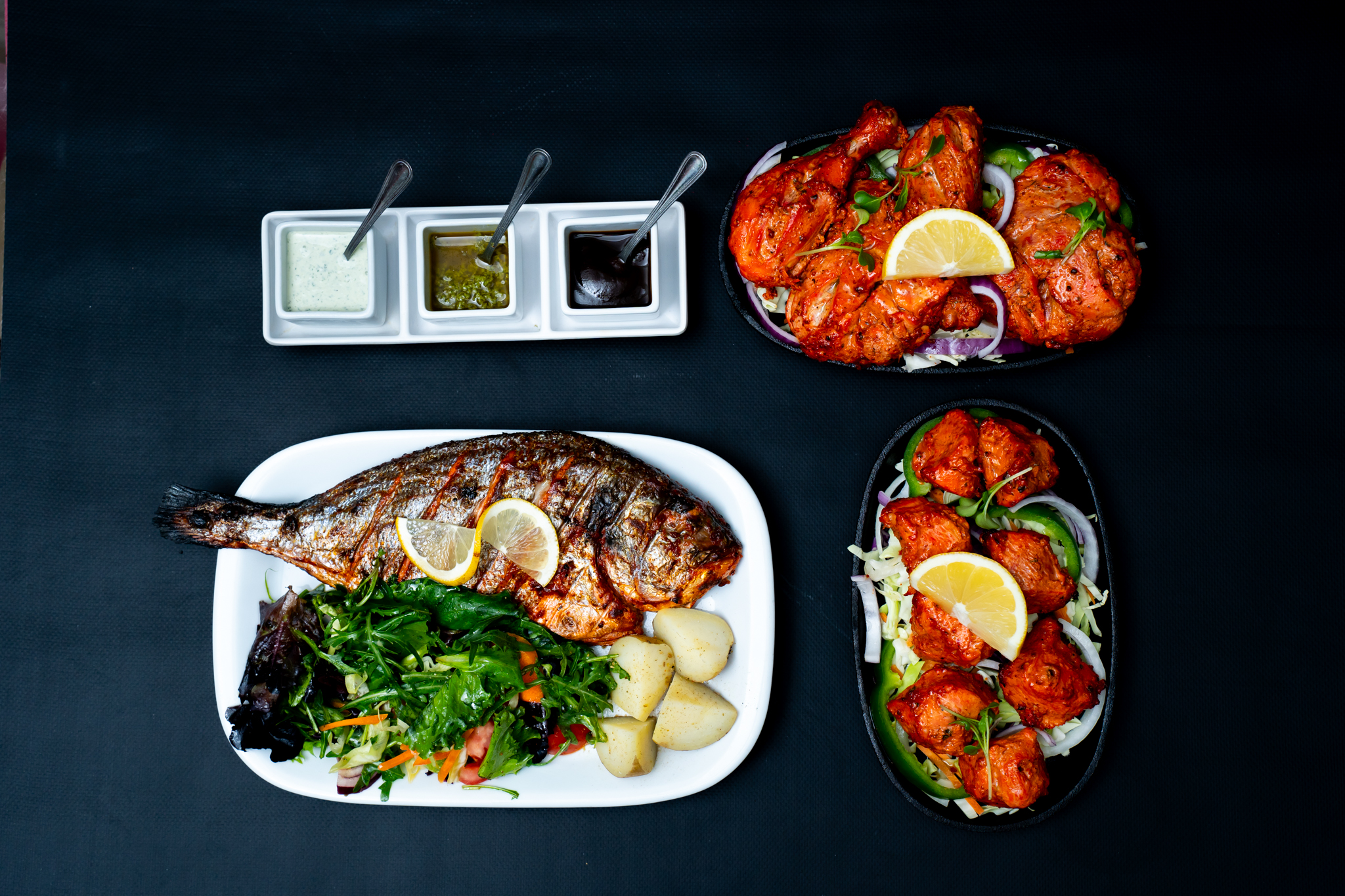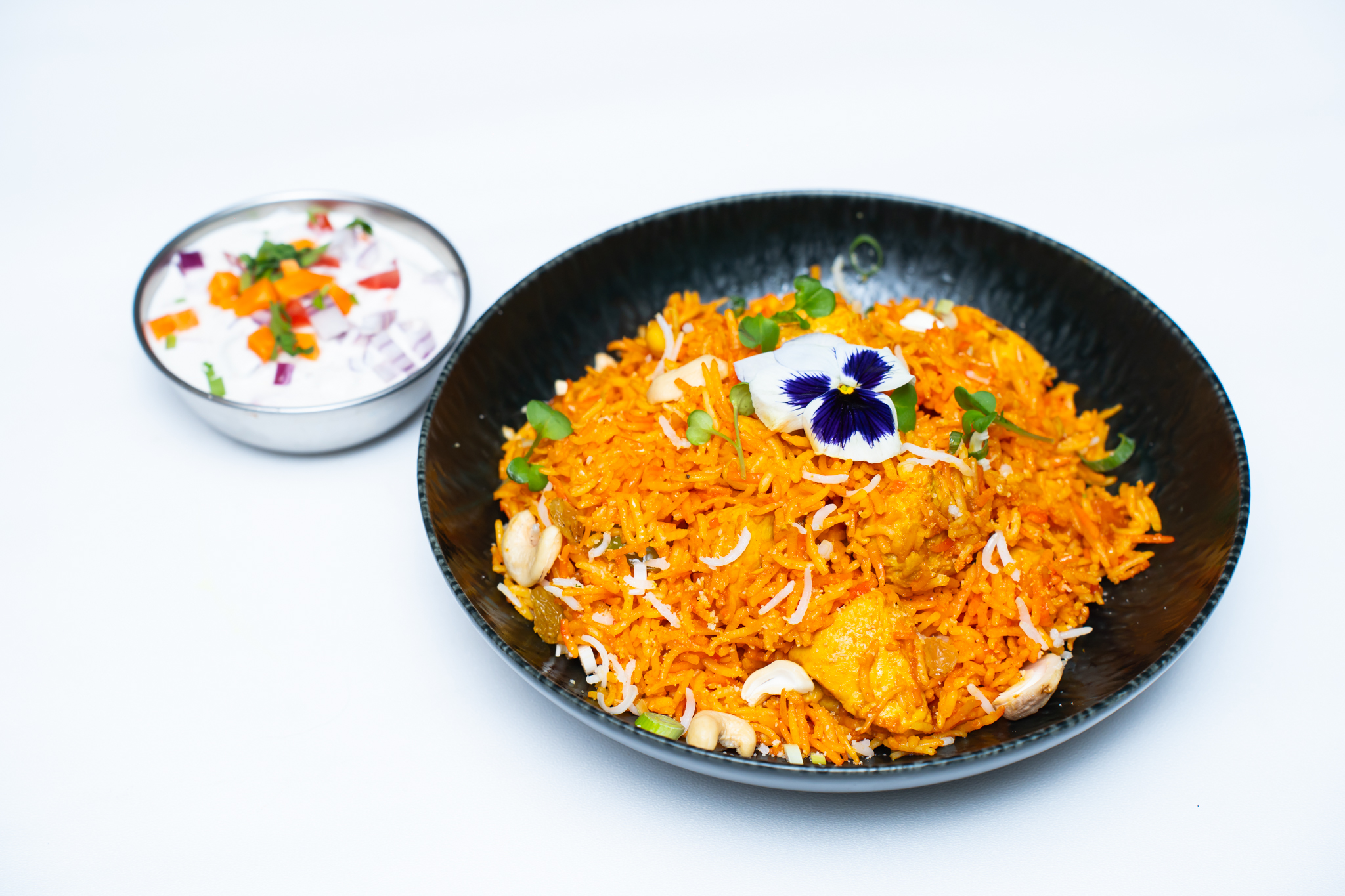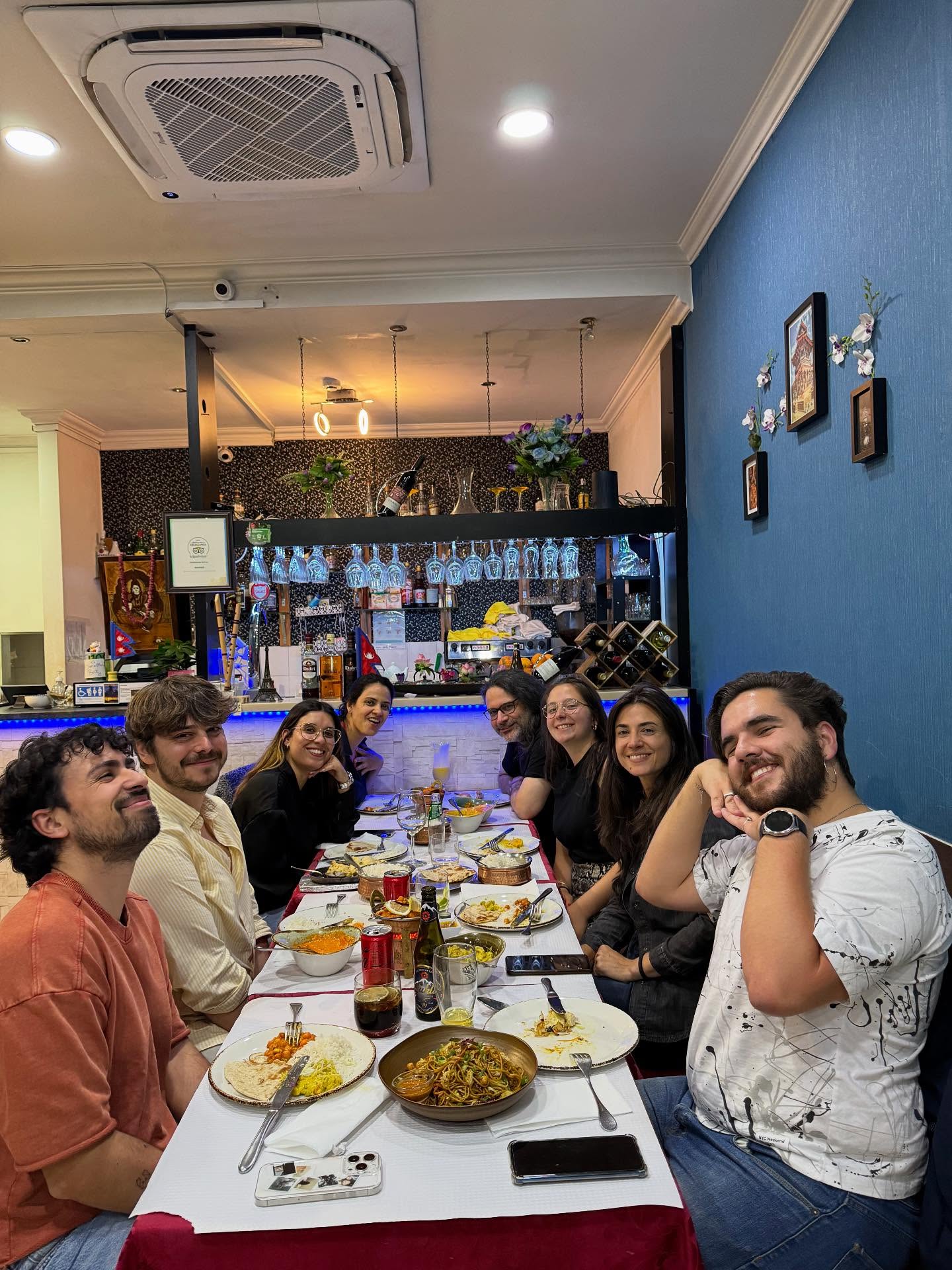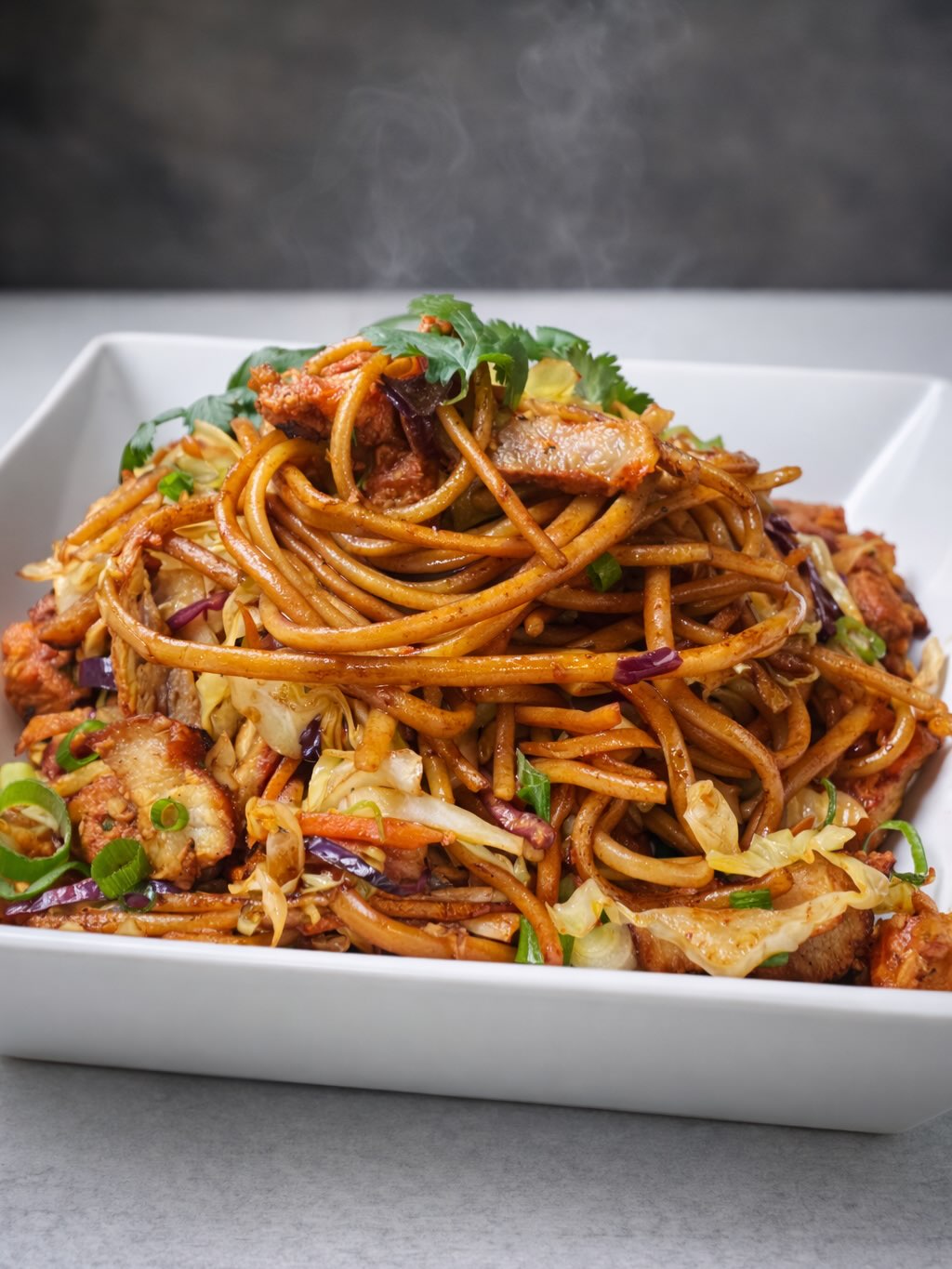
Ask any Nepali person living abroad what food they miss most, and the answer will almost always be the same: momo. Not dal bhat, not biryani, not any of the rich curries that form the backbone of the country's cuisine. Momo. These small, pleated steamed dumplings — deceptively simple in appearance, extraordinarily complex in flavour — have become the most powerful symbol of Nepali culinary identity in the world.
At Darshan Nepal Restaurant in Lisbon, momo is served with the respect it deserves: made by hand, filled with spiced meat, and accompanied by our house tomato-sesame chutney. This is their story.
Where Did Momo Come From?
The origin of momo is a subject of gentle debate between Nepal and Tibet, and the truth is probably that both have a claim. The most widely accepted theory traces momo's ancestry to Tibetan dumplings — particularly tingmo and sha phaley — which were adapted and transformed by Nepali cooks, particularly the Newar merchants of Kathmandu who traded extensively across the Himalayan passes into Tibet.
The Newars of the Kathmandu Valley are widely credited with refining the dumpling into its distinctly Nepali form, developing the thin, slightly chewy wrapper made from unleavened wheat flour and the finely minced, heavily spiced fillings that distinguish Nepali momo from its Tibetan counterpart. The characteristic pleating technique — the careful folding and pinching of the wrapper edge into a crescent or round shape — became a craft in its own right, with skilled momo makers able to produce dozens of perfectly uniform pieces per minute.
By the 20th century, momo had spread from the Kathmandu Valley across Nepal, adapting to local ingredients and tastes as it travelled. Today it is eaten from the lowland Terai to the high Himalayan villages, found in every teahouse on every trekking route, and celebrated as the dish that perhaps best represents what Nepali cooking is — something that absorbs influences from the world around it and transforms them into something entirely its own.
The Anatomy of a Perfect Momo
A great momo is an exercise in balance. The wrapper must be thin enough to allow the steam to penetrate and cook the filling evenly, but thick enough to hold its shape and provide the slightly chewy bite that is essential to the experience. Too thin and it tears; too thick and it becomes gummy and doughy.
The filling is where the cook's skill and personality express themselves most fully. The most traditional filling is minced buff (water buffalo meat) — the original Kathmandu momo filling, chosen partly for religious reasons (Hindus do not eat beef, but buffalo is widely consumed in Nepal) and partly because buffalo meat, with its lower fat content and stronger flavour, holds up beautifully to the intense spicing and steaming process.
A classic momo filling includes:
Minced meat — buffalo, chicken, or pork depending on region and preference; increasingly, vegetable variants with cabbage, paneer or mushroom.
Aromatics — finely minced onion, garlic and ginger, cooked down to form a fragrant base.
Spices — the precise blend varies by cook and family, but typically includes cumin, coriander, timur pepper, garam masala and sometimes fresh herbs. The spicing must be assertive enough to survive the steaming process without becoming overwhelming in the finished dumpling.
Binding — often a small amount of sesame oil or butter, which keeps the filling moist and adds richness.
The Chutney: Momo's Essential Partner
A momo without its chutney is like a story without its ending. The chutney is not a condiment — it is an integral part of the dish, providing the acidity, heat and aromatic complexity that the steamed dumpling cannot provide for itself.
The classic Nepali momo chutney is a fiery, deeply flavoured sauce made from tomatoes roasted directly over an open flame until charred and caramelised, blended with dried red chillies, garlic, ginger and sesame seeds, and finished with timur pepper for that characteristic citrusy tingle. The result is a sauce that is simultaneously smoky, sharp, nutty and electric — one of the great condiments of the world.
At Darshan Nepal, our house momo chutney is made fresh daily to this traditional recipe, adapted with Chef Yekindra's personal touch.
Momo Culture: Far More Than a Dish
In Nepal, making momo is a communal activity. Families gather around the kitchen table together — parents, grandparents, children — each taking a role in the production line: rolling wrappers, filling, pleating, arranging on the steamer. The conversation flows as freely as the momo, and the finished meal is eaten together with a sense of shared achievement.
This communal dimension of momo-making is part of why the dish holds such emotional power for Nepali people abroad. To make momo is to recreate, however briefly, the gathering of family and the warmth of home. It is one of the most social foods in the world.
Momo parties — where a group of friends assembles to make and eat dumplings together — are a cultural institution in Nepali communities worldwide. They are, in the most direct sense, acts of cultural transmission: the recipes, the pleating techniques, the chutney preparations being passed from one generation to the next through hands and conversation rather than text.
Varieties of Momo
While steamed momo is the classic, Nepali creativity has produced a wide range of variations that are now equally beloved. Kothey momo (pan-fried on one side, then steamed) delivers a crispy bottom and tender top. C-momo (cooked in a spicy sauce) arrived in Kathmandu in the 1990s and became an instant sensation. Jhol momo — dumplings swimming in a rich, soupy tomato-sesame broth — is perhaps the most popular current preparation in Kathmandu's restaurants.
And in the cold high-altitude regions, momo are sometimes fried completely — producing a golden, crispy dumpling that holds its heat longer in frigid conditions.
Try our handmade Momo with house tomato-sesame chutney at Darshan Nepal, Lisbon.
Reserve a TableAv. Alm. Reis 48A, 1150-019 Lisboa · Open every day 12:00–23:30 · 920 461 051