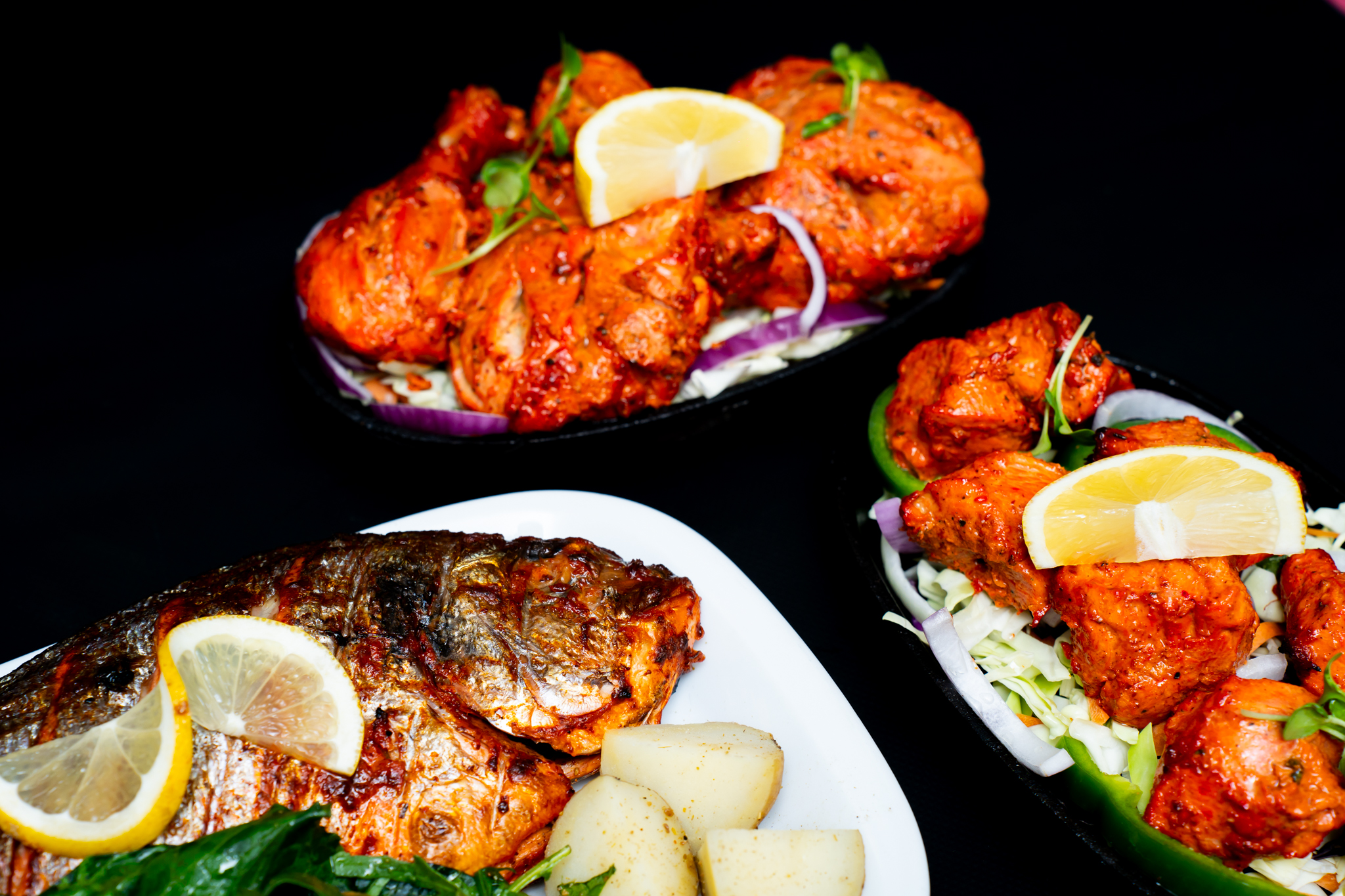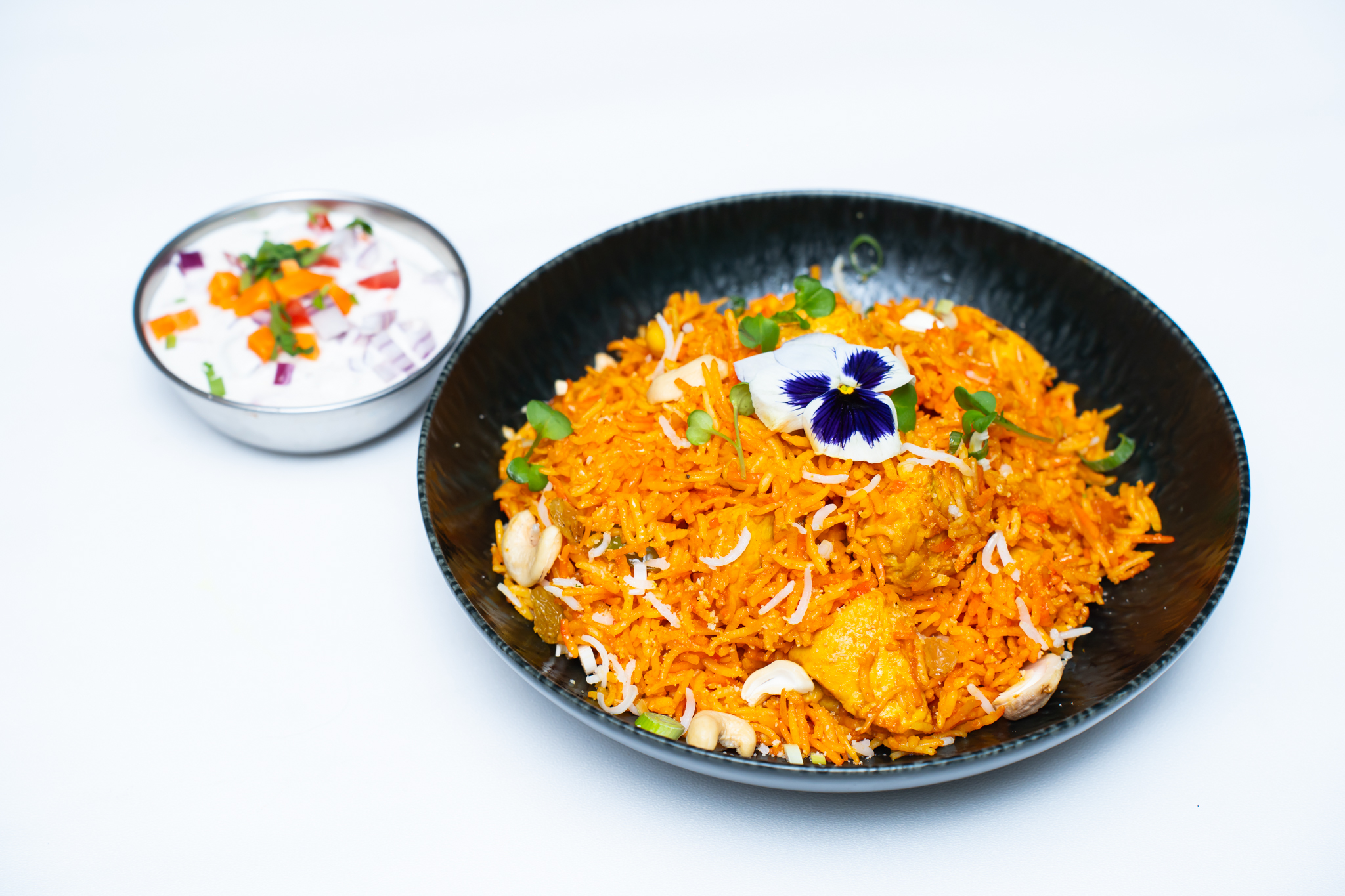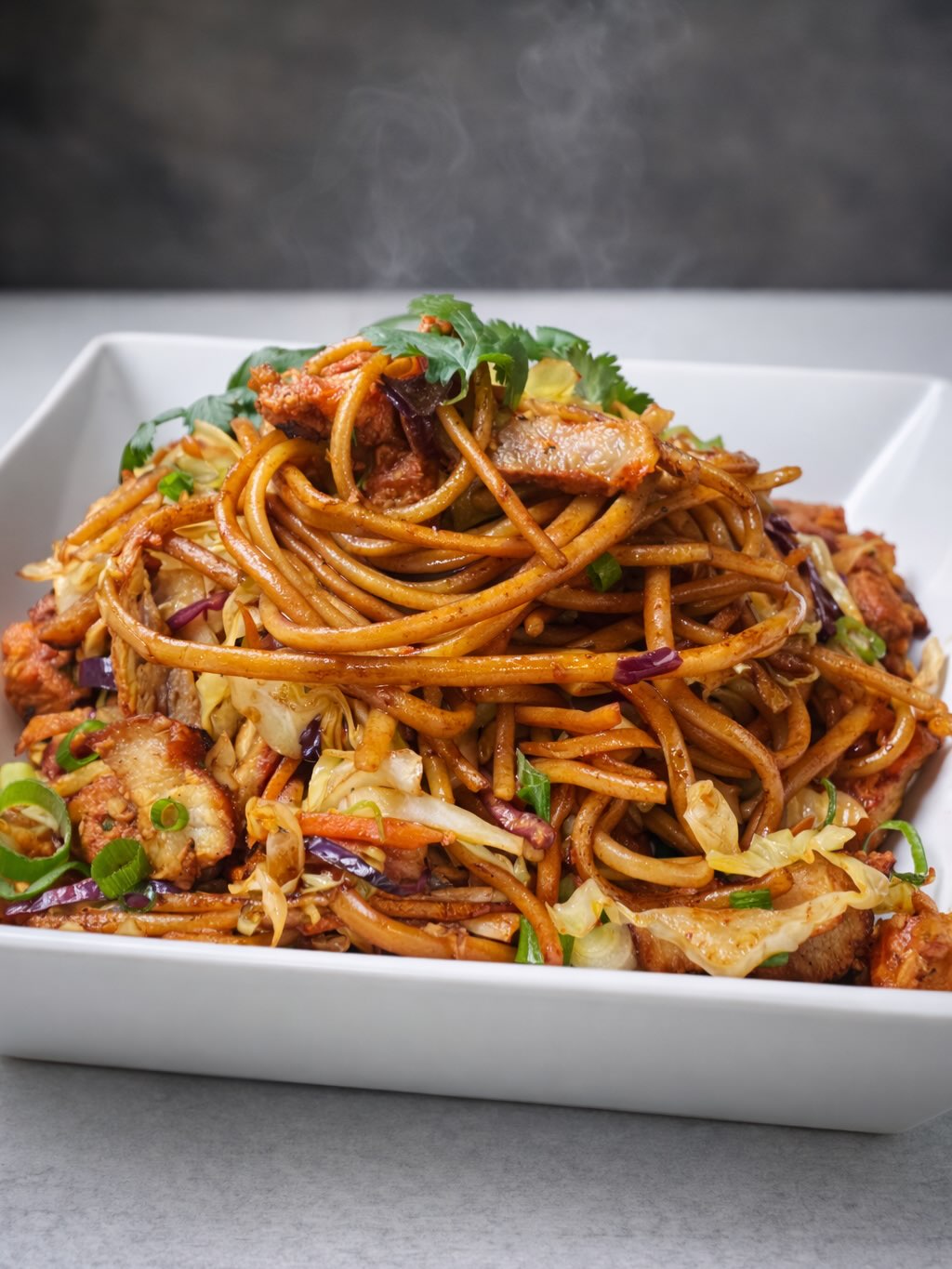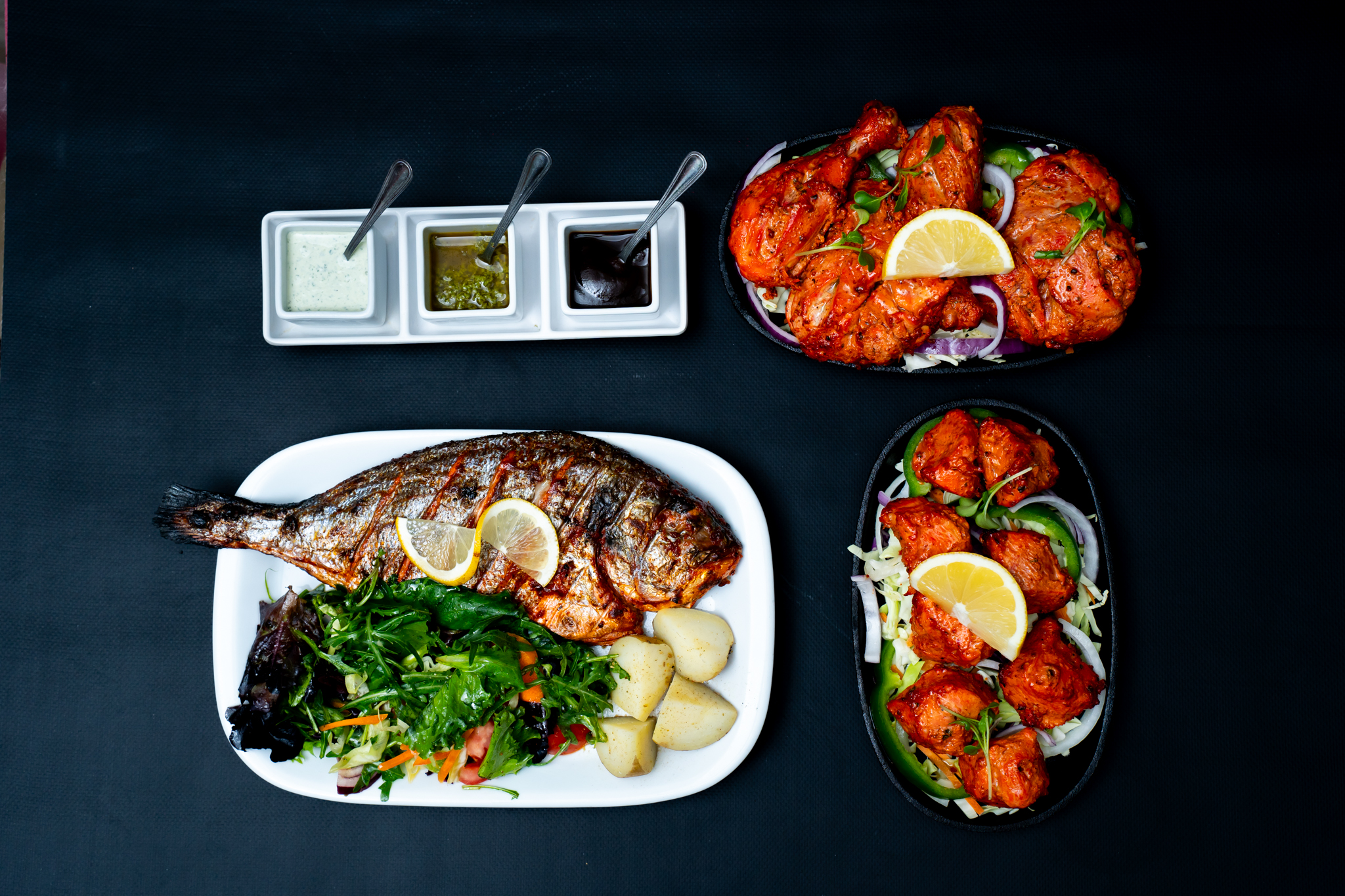
When you sit down at a Nepali restaurant and that first wave of aroma reaches you — warm, floral, faintly citrusy with an undertone of earth and fire — you are experiencing a spice pantry unlike any other in the world. Nepali cuisine draws on ingredients that grow only in the high altitudes of the Himalayan foothills, giving its dishes a character that cannot be replicated anywhere else on the planet.
At Darshan Nepal Restaurant in Lisbon, Chef Yekindra Hamal sources and works with many of these extraordinary ingredients. This is their story.
Timur: Nepal's Own Pepper
If there is one spice that defines Nepali cooking above all others, it is timur (Zanthoxylum armatum) — the Himalayan cousin of Sichuan pepper. Found growing wild across the hills of Nepal at altitudes between 1,000 and 3,000 metres, timur produces small reddish-brown berries that, when dried, deliver an extraordinary flavour: intensely citrusy, slightly floral, with a mild numbing sensation on the tongue that Nepali food lovers call "the tingle."
This numbing quality, caused by a compound called hydroxy-alpha-sanshool, is not heat in the conventional sense — it is something far more complex. Timur does not burn. It hums. It makes the mouth electric. And it pairs with chilli in a way that amplifies the heat without overwhelming it, creating a layered spice profile that is deeply addictive.
In Nepali cooking, timur appears in everything from momo chutneys to lentil soups, dry rubs for grilled meats and fragrant rice dishes. It is always used sparingly — a little goes a long way — and almost always lightly toasted first to release its volatile oils.
Jimbu: The Dried Herb of the Himalayas
Jimbu (Allium hypsistum) is perhaps the most uniquely Nepali of all ingredients. A wild herb that grows only above 3,500 metres in the Himalayan highlands, jimbu is harvested, dried and used like a finishing herb — fried briefly in hot ghee and poured over a dish at the last moment to release its fragrance.
The flavour of jimbu is difficult to describe to anyone who has not experienced it: somewhere between dried chives, garlic and a faintly smoky dried grass, with an earthy sweetness that lingers. It is the characteristic flavour of high-altitude Nepali cooking and the finishing touch on many dal preparations.
Outside Nepal, jimbu is almost impossible to find. Its rarity makes it one of the clearest markers of authentic Nepali cuisine — restaurants that use it are cooking with true fidelity to tradition.
Asafoetida (Hing): The Invisible Foundation
Asafoetida, known in Nepali cooking as hing, is a dried resin extracted from the roots of the Ferula plant. In its raw form it has a deeply pungent, sulphurous smell — the kind that makes you question everything. But cooked in hot oil for just a few seconds, it transforms completely into something rich, savoury and almost truffle-like, adding a deep umami underpinning to lentil dishes, vegetable preparations and pickles.
Hing has been used in South Asian and Nepali cooking for over two thousand years. It is a key ingredient in preparations where garlic and onion are omitted (as in many Hindu and Jain dishes), standing in with a flavour that is remarkably similar but more nuanced.
Methi: The Bitter Treasure
Methi (fenugreek) occupies a central place in Nepali cooking in both its leaf form and as a seed. Fenugreek seeds — small, hard and golden — are used in tempering oils for dals and vegetable dishes, contributing a slightly bitter, maple-like warmth that rounds out sharper spices. Dried methi leaves are crumbled into sauces and flatbread doughs, adding a distinctive earthy bitterness that balances rich cream-based curries.
In Nepal, methi is also valued for its medicinal properties — it is believed to aid digestion, regulate blood sugar and support circulation. Food, in Nepali culture, has never been entirely separate from medicine.
Turmeric: The Golden Root
No Nepali or Indian kitchen operates without turmeric (besar in Nepali). The vivid golden root — dried and ground into a fine powder — is used in virtually every savoury preparation, lending its characteristic warmth, colour and gentle earthiness. In Nepal, turmeric appears not just as a flavour agent but as a cultural symbol: it is used in religious ceremonies, healing rituals and as a natural dye.
Nepali turmeric, particularly from the Terai plains in the south, is prized for its higher curcumin content and deeper colour than its Southeast Asian counterparts.
Cumin & Coriander: The Backbone
If timur is the soul of Nepali cooking, then cumin and coriander are the backbone. These two spices, almost always used together, form the base of the masala blend that underpins the majority of Nepali curries and rice dishes. They are used in three forms: as whole seeds for tempering, as freshly ground powder, and as the dried herb (coriander leaf) scattered over finished dishes.
The ratio and quality of the cumin-coriander blend is one of the most personal expressions of a Nepali cook's style. At Darshan Nepal, Chef Yekindra Hamal grinds his own spice blends fresh — a commitment to quality that is immediately perceptible in every dish.
Taste These Spices in Lisbon
The best way to understand a spice is to taste it in the hands of someone who grew up with it. At Darshan Nepal, every dish carries the authentic flavour signature of Nepal's extraordinary spice heritage — from the tingle of timur in a freshly made momo chutney to the golden warmth of turmeric in a slow-cooked dal.
Come experience authentic Nepali & Indian cuisine at Darshan Nepal Restaurant, Lisbon.
Reserve a TableAv. Alm. Reis 48A, 1150-019 Lisboa · Open every day 12:00–23:30 · 920 461 051